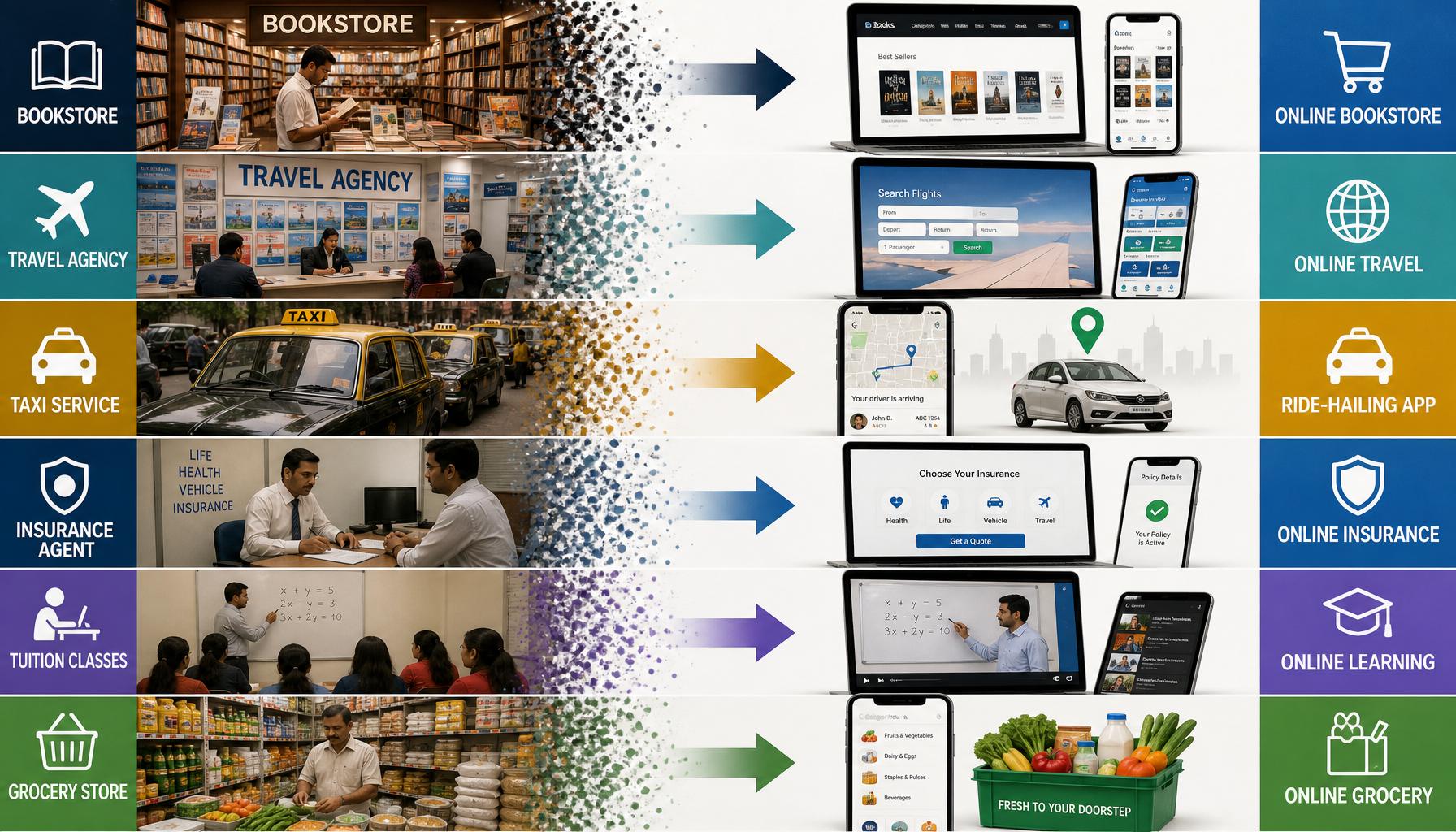
The advent of digital technology has dramatically altered the landscape of businesses all across the globe, a situation exacerbated by the COVID-19 pandemic. Through this technology, businesses have come to realize the importance of online platforms, remote working capabilities, digital marketing strategies, and data analytics, among others.
1. E-Commerce Boom: The pandemic has incredibly increased the adoption of e-commerce among businesses. With physical stores being shut down due to health and safety measures, businesses have shifted their operations online. Now, companies are not only focusing on selling their goods and services on digital platforms but also working on improving the overall customer experience online.
2. Remote Working: With social distancing being a necessity, the traditional office-based work environments have been replaced by remote working. Companies are investing in digital tools such as project management software, virtual meeting platforms, and cloud services to ensure that business processes are executed efficiently. The need for flexibility in business operations has grown.
3. Digital Marketing: As people are spending more time online than ever before, businesses have had to rethink their marketing strategies. They are focusing more on digital marketing techniques like SEO, content marketing, social media marketing, and email marketing to reach their customers and stay competitive.
4. Data Analytics: With more activities taking place online, businesses have access to enormous amounts of digital data. This data is being used for strategic decision-making, improving customer service, and optimizing operations.
5. Cybersecurity: With the increase in online activity, businesses are also seeing a rise in cyber threats. In response, companies are prioritizing digital security methods and investing in advanced cybersecurity technologies.
To adapt to these changes, businesses are undertaking digital transformation initiatives, investing in digital literacy training for their workforce, and engaging in partnerships with tech vendors. They are focusing on building a solid online presence, streamlining operations through digital tools, and using data analytics to guide strategy. Even small and medium-sized enterprises (SMEs) are leveraging digital tools to reach customers and operate more effectively in this new norm.
The shift to the digital era has definitely brought about challenges but businesses that have been able to adapt to this new normal are not only surviving but thriving in this transformed environment. The pandemic has simply accelerated the inevitable digitization of the global business landscape.